Reasons Every Party Planner Relies on a Liquor Store
Wiki Article
Understanding the Different Kinds Of Liquor: A Beginner's Insight
Recognizing the different sorts of alcohol can be enlightening for both casual drinkers and lovers alike. Each classification of spirit provides distinct tastes and features formed by its production methods. Bourbon, vodka, rum, gin, and tequila each tell a special story. Exploring these varieties not just improves admiration yet also opens up a world of alcoholic drink possibilities. What fascinating combinations and histories exist behind these precious beverages?What Is Liquor?
Liquor, a distilled alcoholic drink, is defined by its higher alcohol material contrasted to fermented drinks. It incorporates a wide range of spirits, consisting of scotch, vodka, rum, tequila, and gin. The alcohol by volume (ABV) in alcohol typically ranges from 20% to 50%, substantially surpassing that of beer and white wine. Alcohol is produced with fermentation complied with by purification, which concentrates the alcohol and boosts its flavor profile.Each kind of liquor has actually distinct features influenced by its active ingredients, production methods, and local customs. Whiskey is typically matured in wooden barrels, passing on distinctive tastes, while vodka is understood for its pureness and smoothness. In addition, liquor functions as a base for combined beverages and different mixed drinks, making it a fundamental part of social celebrations and events. Comprehending the different kinds of alcohol allows individuals to value the varied globe of spirits and their social value.
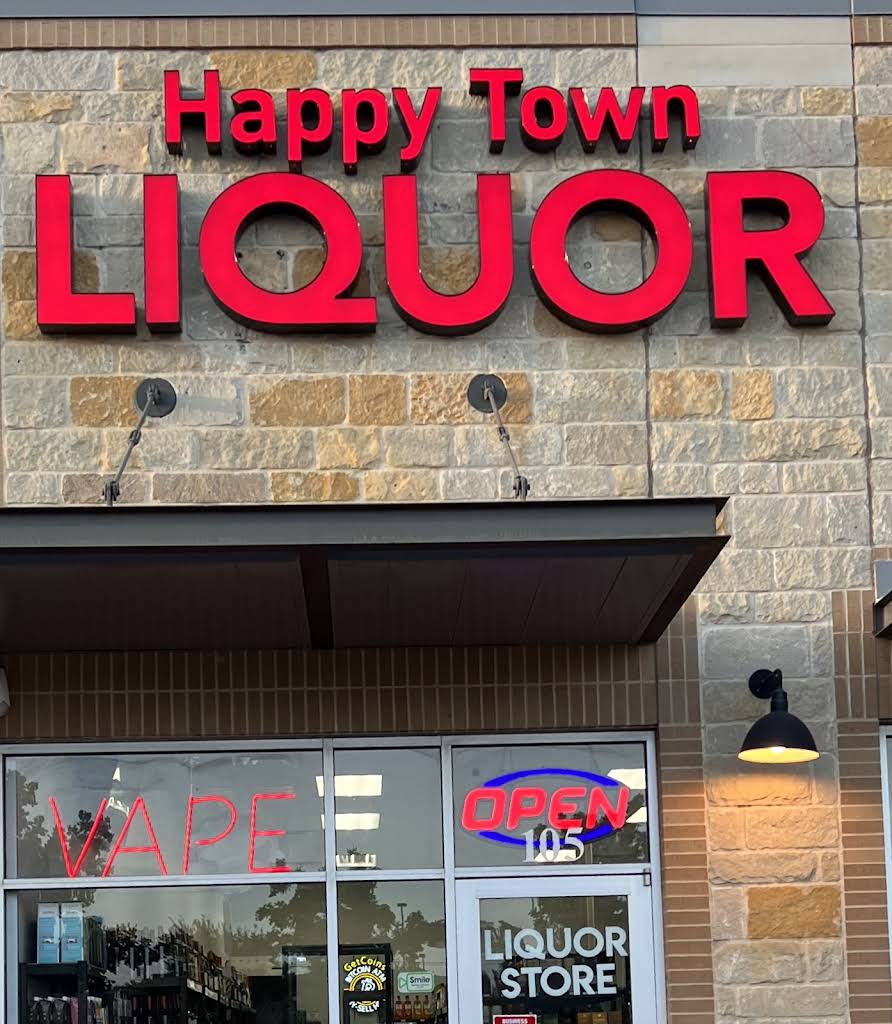
The Purification Process Explained
The manufacturing of alcohol relies heavily on the purification procedure, a method that separates alcohol from various other elements in the fermented combination. This process starts after fermentation, where sugars are exchanged alcohol. The mix, called the wash, is warmed in a still. As the temperature level increases, alcohol evaporates first as a result of its reduced boiling factor compared to water and various other substances. The vapor is then collected and cooled, condensing it back into liquid kind.Purification can occur in numerous phases, known as pot or column distillation, to achieve greater purity and desired alcohol content. The initial distillation generates a low-alcohol spirit, which can be distilled once more for higher improvement. This method not only boosts alcohol concentration but additionally affects flavor profiles, making it a crucial step in alcohol production. Comprehending this process supplies insight right into the craftsmanship behind numerous liquors.
Kinds of Alcohol: An Overview
The category of spirits is important for recognizing the diverse classifications of alcohol. By taking a look at the distillation process, one can value how various techniques lead to unique taste profiles and characteristics. This review will certainly highlight the primary sorts of alcohol and their distinctions.Spirits Category Clarified
While lots of delight in the varied experiences and lively flavors supplied by alcohols, comprehending the category of spirits can improve one's recognition and selection. Spirits are generally categorized right into five primary types: scotch, vodka, gin, rum, and tequila. Each group is distinguished by its base components and manufacturing approaches. Bourbon is made from fermented grain mash, while vodka is typically distilled from grains or potatoes. Rum, acquired from sugarcane, provides a sweeter account, whereas gin is flavored with juniper berries and various other botanicals. Tequila is specifically made from the blue agave plant, largely in Mexico. Acknowledging these classifications permits enthusiasts to make enlightened choices based upon personal preference preferences and wanted occasions.Distillation Refine Overview
Distillation functions as a necessary procedure in the manufacturing of different kinds of liquor, substantially affecting their alcohol, pureness, and flavor material. This approach entails warming a fermented fluid to vaporize its alcohol and then cooling the vapor to accumulate the fluid kind. The primary stages include fermentation, where sugars are converted to alcohol, adhered to by purification, which divides alcohol from water and other elements based upon varying boiling factors. Various sorts of alcohol, such as vodka, rum, and whiskey, use special active ingredients and purification methods, leading to diverse flavors and qualities. The number of distillation cycles and the kind of still utilized can likewise influence the last item, contributing to the vast variety of spirits available in the market today.Bourbon: The Spirit of Selection
Bourbon symbolizes an abundant tapestry of practice and craftsmanship, charming enthusiasts around the world. This precious spirit has unique styles, including Scotch, Irish, bourbon, and rye, each with special qualities formed by regional active ingredients and aging procedures. The heart of whiskey lies in its grains, typically barley, wheat, rye, or corn, which pass on diverse tastes and aromas.Production starts with mashing, where grains are integrated with water and warmed to convert starches into sugars. Fermentation adheres to, allowing yeast to turn sugars into alcohol. The distillation procedure then elevates the alcohol material, and aging in wooden barrels boosts the scotch's intricacy, including notes of caramel, seasoning, and vanilla.
Whiskey is commonly celebrated for its adaptability, enjoyed cool, on the rocks, or in cocktails. Its social significance and rich background have made it a favored among lovers and laid-back enthusiasts alike, Recommended Site strengthening whiskey's condition as an ageless spirit.
Vodka: The Versatile Fave
Vodka attracts attention as a remarkably adaptable spirit, with a rich history that traces back centuries. Its manufacturing procedure, which can differ substantially by area, adds to its unique personality and flavor. Additionally, vodka plays a central function in a vast range of prominent alcoholic drinks, showcasing its flexibility in the globe of mixology.Background of Vodka
Originating from Eastern Europe, vodka has a rich historical tapestry that intertwines with different cultures and traditions. Believed to have actually arised in the 9th or 8th century, the spirit was originally used for medicinal purposes before developing into a prominent alcohol. Words "vodka" comes from the Slavic word for "water," showing its clear look. Vodka obtained prominence in Russia and Poland, where it came to be deeply ingrained in religious and social custom-mades. By the 14th century, purification strategies boosted, causing greater alcohol content. Happy Town Liquor. Throughout the centuries, vodka has adapted, influencing and being affected by local choices. Today, it is popular worldwide, showcasing its convenience and social value throughout various culturesProduction Refine Explained
The manufacturing of vodka entails a careful process that changes raw components into a polished spirit. Normally, vodka is made from grains such as wheat, rye, or corn, though it can likewise be distilled from potatoes or even fruits. The procedure begins with fermentation, where yeast converts sugars from the ingredients right into alcohol. Complying with fermentation, the mixture goes through distillation, which divides alcohol from impurities and concentrates its strength. This is commonly accomplished via several purifications. The distilled spirit is then filteringed system, often making use of charcoal, to attain a smooth structure. Finally, vodka is diluted with water to reach the wanted alcohol material, normally around 40% ABV, before being bottled for consumption. This cautious production procedure contributes to vodka's functional and tidy personality.Popular Cocktails Featuring Vodka
While many spirits have their signature cocktails, vodka attracts attention for its extraordinary convenience in mixology. This adaptability permits it to be featured in a selection of popular cocktails that accommodate varied tastes buds. The timeless Vodka Martini, a blend of vodka and completely dry vermouth, is a staple for those seeking sophistication. The stimulating Moscow Burro incorporates vodka, ginger beer, and lime juice, attracting those who take pleasure in a spicy kick. For a sweeter alternative, the Cosmopolitan mixes vodka with three-way sec, cranberry juice, and lime. In addition, the Bloody Mary, known for its mouthwatering profile, integrates vodka with tomato juice and an array of flavors. These alcoholic drinks illustrate vodka's capability to integrate with numerous flavors, making it a preferred among cocktail fanatics.Rum: A Preference of the Tropics
Recognized for its vivid tastes and abundant social heritage, rum personifies the significance of the tropics - Happy Town Liquor. This distilled spirit, made mostly from sugarcane byproducts such as molasses or straight from sugarcane juice, has a varied variety of accounts. From the light, crisp notes of white rum, usually utilized in alcoholic drinks, to the deep, complex flavors of dark rum, which are usually aged longer, rum satisfies different tastes budsAreas like the Caribbean and Central America are renowned for producing top quality rums, each reflecting neighborhood practices and components. The aging procedure can impart one-of-a-kind attributes, enabling sweet, spicy, and even fruity touches. Rum's adaptability reaches its usage in cocktails or enjoyed cool, making it a favored option among spirit enthusiasts. On the whole, rum invites enthusiasts to experience a preference of the tropics, celebrating its abundant history and diverse expressions.
Gin: Botanicals and Beyond
Gin, a spirit commemorated for its organic complexity, astounds the palate with its unique mixture of botanicals. At its core lies juniper nearest bottle shop berries, giving an unique pine-like flavor that specifies the spirit. Nevertheless, the allure of gin expands much beyond this particular active ingredient. Distillers frequently trying out a varied selection of botanicals, such as coriander, angelica root, citrus peels, and different natural herbs, each contributing to a layered preference account.
The equilibrium of these botanicals can vary substantially, creating various styles of gin. London Dry gin uses a crisp, juniper-forward experience, while Old Tom gin presents a sweeter, a lot more spherical flavor. Regional variants, such as Navy Toughness and Sloe gin, more broaden the landscape of this versatile spirit. Eventually, gin's organic variety welcomes imagination in alcoholic drinks, making it a favorite amongst mixologists and enthusiasts alike, each uncovering new subtleties in every sip.
Regularly Asked Questions
What Is the Difference In Between Alcohol and Liqueur?
The distinction between liquor and liqueur exists largely in their components and sweet taste. baileys liquor Alcohol, a distilled spirit, contains no added sugars, while liqueur is sweetened and flavored with different components, developing a distinctive taste profile.Can Liquor Be Consumed Straight or in Cocktails?
Liquor can be eaten both straight and in alcoholic drinks. Many delight in sipping it neat to appreciate its complete taste, while others like blending it with different components to create savory and varied alcoholic drinks.Just how Should Liquor Be Kept for Optimal Freshness?
Liquor ought to be stored upright in a great, dark area, far from straight sunlight and temperature fluctuations. Proper securing and marginal exposure to air aid keep perfect quality and flavor over time.What Is the Alcohol Content in Various Kinds Of Alcohol?
The alcohol material in various liquors usually ranges from 15% to 60% by quantity. Spirits like vodka and whiskey often have higher percents, while liqueurs and glass of wines typically possess reduced alcohol concentrations, mirroring their distinct manufacturing processes.Are There Health And Wellness Perks Surrounding Moderate Liquor Usage?
Research study indicates that modest liquor consumption might provide potential wellness benefits, such as boosted cardio health and social satisfaction. Happy Town Liquor. Too much consumption can lead to extreme unfavorable consequences, stressing the value of moderation in consumption.It includes a broad array of spirits, including whiskey, vodka, gin, rum, and tequila. Spirits are typically classified right into five key types: scotch, vodka, gin, rum, and tequila. Various types of liquor, such as rum, vodka, and bourbon, utilize one-of-a-kind active ingredients and distillation approaches, resulting in diverse tastes and characteristics. The manufacturing of vodka entails a precise procedure that transforms raw components right into a polished spirit. The timeless Vodka Martini, a blend of vodka and completely dry vermouth, is a staple for those looking for sophistication.
Report this wiki page